 Live Chat
 Contact
 Shopping Cart
 Touseef Manzoor
An in-depth look at the revival of Kashmir’s tourism industry following the Pahalgam incident. Explore the challenges, the collaborative recovery efforts, and the resilient spirit of the Kashmiri people as they welcome visitors back to this breathtaking region.
1. Introduction: A Test of Resilience
Kashmir, often referred to as “Paradise on Earth”, continues to draw visitors with its breathtaking panoramas, placid lakes, glistening alpine ridges, and an intricate tapestry of living culture. For the residents of the region, tourism transcends economic categorisation; it sustains families, nurtures enterprises, and weaves an enduring bond with far-flung guests. Yet, the landscape and its people have periodically confronted trauma, compelling both endurance and adaptation. The most recent upheaval, the Pahalgam disaster, momentarily darkened the valley, yet it also illuminated the collective will to restore, rethink, and re-invite the world to its shores.
The tragic episode at Pahalgam, although heavy with grief, momentarily obscured the momentum of a sector long regarded as the region’s lifeblood. Yet, the episode simultaneously illuminated the fragilities inherent in a landscape marked by history’s unresolved tensions. What ultimately hegemonises the Kashmiri narrative, however, is not the trials it endures but the extraordinary suppleness with which it reconstitutes itself. This essay chronologically reconstructs the arc of the Valley’s tourism rebound following Pahalgam, beginning with the initial shock and progressing through synergistic recovery measures to the accumulating indicators of a fortified future. Central to the exposition is the triangulated collaboration among governmental apparatus, resident communities, and the tourism economy—each reciprocating effort to restore traveller trust and to architect a tourism substrate that is both durable and richly diversified.
2. The Immediate Aftermath: A Valley in Shock
The Pahalgam incident rippled through Kashmir with unrelenting force, striking deepest at the region’s fragile tourist economy. Within days, the valley’s famed lodges and alpine camps reported an exodus, leaving dining halls silent and staff rooms devoid of chatter. Statistical snapshots are stark: arrivals dropped from 179,342 in April to 6,951 by May 18, a contraction of historic proportions. More than 28,000 tourist vehicles, normally a procession through fir and meadow, stood outside garages and homes, their engines hushed in the May sun.
For the valley’s microentrepreneurs, the blow was personal and immediate. A Srinagar hotelier, surveying the empty corridors, remembered the moment: “We had 120 rooms ready, staff in crisp uniforms. By morning, the app dinged with cancellations—every page, every night, gone. The linens are still folded.” Riverfront shikara men, who ferry morning sunlight across Dal Lake for a living, counted their unturned paddles and faced the papers: “When I translate charters, I do dreams. Now the dreams are erased.” A survey conducted days after the incident revealed the depth of the damage: 62 per cent of families who had contemplated a Kashmir itinerary pulled their tickets and packed brochures back on the shelf. The immediate recovery, many now fear, may arrive much later than the loss.
The incident, however, did more than undermine markets; it shattered the collective psyche of the valley’s inhabitants. The tentative recovery that had begun to seal the wounds of previous violence was abruptly undone, yielding to the corrosive twin agents of dread and doubt. A neighbour to the epicentre confided, “Everybody walks with fear now,” a commentary both personal and, in its universality, civic. The episode thus renewed the valley’s residents, through unwelcome experience, to the brittle architecture of their tranquillity and to the inextricable tie that bonds the dialect of security to the dialect of prosperity.
3. The Road to Recovery: A United Front
No matter what’s thrown at it, Kashmir always bounces back, and after the Pahalgam crisis, it was more proof of that. The comeback came from a powerful team-up of the local government and the community, working hand in hand to get tourism rolling again.
Government Initiatives
Understanding tourism is the beating heart of Jammu and Kashmir’s economy, the administration acted fast. First, they beefed up security for visitors—more police on the hills, smarter intelligence sharing, and extra eyes on the roads. Safety worries were the first hurdle, and they cleared it quickly.
Next, they announced a lifeline for the industry. Hoteliers, houseboat owners, and everyone else whose bookings froze got cash aid, tax break schemes, and low-interest loans to help them through the dry spell. To top it off, the Tourism Department kicked off a series of eye-catching ads and social media pushes, the biggest being “Chalo Kashmir”. The message was simple: the mountains are open, the people are warm, and peace is the new normal. The campaign painted a picture of the valley’s stunning lakes, blooming gardens, and the new safety checks that were now part of the welcome.
Building the right infrastructure was key to bouncing back. The newly finished Udhampur-Srinagar-Baramulla Railway Line project, along with the shiny new Vande Bharat trains, means getting to Kashmir is now both quicker and comfier. This faster and easier travel should pull in more visitors from northern states who are looking for a getaway. On top of that, the reopening of 16 out of the 48 parks and tourist spots that had to close for a while after the trouble showed that things were getting back to normal and gave travellers more places to check out.
Industry and Community Efforts
The tourism sector and the people of Kashmir refused to back down, and that made all the difference. Hotel owners, travel guides, and taxi drivers, even with tight budgets, kept pushing to bring guests back. They rolled out flexible bookings and really tempting travel packages. The locals, with their famous hospitality, jumped in to make sure visiting families felt safe and at home, showing everyone that Kashmir was ready to welcome guests with open arms.
“We never stopped believing we’d be alright,” said one of the well-known tour operators. “Kashmir is where we grew up, and tourism is how we eat. We figured if we worked together, we could bounce back from any hit.” You could hear that same message from villages to towns, where hotel owners, houseboat hosts, and families alike welcomed guests with open arms, telling them the vibrant tales and traditions of the valley. Their warmth, teamed up with the government’s smart plans to keep the region safe, slowly mended the trust that travellers needed to feel. Little by little, the valley’s confidence started to shine again.
4. The Calm before the Storm: Signs of Recovery
Kashmir’s tourism has begun immediate recovery after the upheaval, which correspondingly reflects the unquenchable allure of the region and also evidence of the success of strategic and structured recovery efforts. The official data reported in the past one quarter has always shown tourists were slightly increasing, and particular arrivals in the first quarter of 2025 were very encouraging: 525,272 to the valley; for the period since the turmoil, the overall arrival number was starting to pick up; if the first quarter continued at that rate, the number forecasts for 2025 will be higher than previous years, even pre-turmoil.
It was such a crucial part of the recovery to have the valley’s famous places and publicly maintained gardens reopened. In the interim, many of the places which went silent during the upheavals have come back to life with a slow swarm of humanity, and one could measure how “normal” it was getting again. Recently deposited field observations, from social media and travel sites, showed repeatedly returning tourists were very polite about how welcoming they found the township and especially valued the feeling of ‘comfort’. They were inclined to mention how positive their own experience of reality was, and it was very different than the national media commanded their attention toward. This real account of people’s first-hand experience spreads quickly, and what spreads usually gets into the proposed travellers network, while people were gradually hashing out how to forget a historic reputation.
Foreign tourists who hesitated last season are now returning to Kashmir in small but steady numbers. Their renewed interest confirms the stabilised security environment and the coordinated initiatives that position the region as a secure and inviting destination. Joint action by government agencies, local communities, and the travel sector has restored the region’s signature hospitality, allowing the tourism economy to recover and local optimism to resurge.
5.More than Numbers: Changing Gears
The spike in tourism in Kashmir has a value that extends beyond the number of visitors; it represents a strong shift towards tourism that is sustainable and responsible.Certainly, the recent challenges have made it clear that the future should expand—outward from the valleys and meadows to include an array of experiences that elevates all local stakeholders.The interest in eco-travel and the lesser-known corners of Kashmir is growing, directing travelers away from the crowds and busying themselves in the untouched realms of the region.The movement (inviting visitors to engage with genuine, unspoiled beauty while being mindful to tread lightly) is developing within programs that are transitioning from intent to action with a purpose to conserve these invaluable venues for the travelers of tomorrow through responsible travel behavior, waste management, and mitigating fragile ecosystems.
New technologies are subtly but profoundly shaping this chapter.Smartphones now offer travel applications that facilitate sharing real-time safety information, accommodation choices, and amusing things to do to complete the experience for visitors.Virtual experiences, and well-narrated stories, broadcast the beauty of Kashmir, engage with potential audiences around the world, and generate prospective visitors who now also participate in a awkwardly debunked image of Kashmir ; one that demonstrates local voices and lived stories, creating authentic social media campaigns, building this vision and engaging guest’s engagement, with their deal & fleeting, but ultimately memorable visit in Kashmir.
In addition, there is growing awareness around community-based tourism.While this brings economic opportunities to local people by enabling them to find meaningful employment in the tourism industry, it also contributes to a more equitable distribution of tourism profits across the local population.Travelers benefit through family-run accommodation, participatory craft workshops, and cultural interaction, promoting for authentic experiences and rich immersion for tourists, while creating responsible and stabilized incomes for local people.
6.The Future of Kashmir Tourism: Building a Sustainable Paradise
Kashmir’s Himalaya Tourism Journey, especially after Pahalgam’s 2023 turmoil, provides careful optimism and ongoing commitment to build an adaptive, fair, and sustainable tourism economy. Recent disruptions have left enormous lessons learned and a more resilient and fluid vehicle for the sector to develop into a year-round tapestry rather than a set of seasonal peaks. For this vision to come to fruition, it is essential that we promote winter sports, staged cultural festivals, and adventure bands. The potential of infrastructural development involving improvements to all-weather roads, increased access by air, and expanded digital corridors, remains paramount to continuing the potential or movement, communication, and for international and domestic customers. The essence of the whole idea must be that we will undertake a commitment to the multilateral partnership…the government, residents, tour operators, and the tourists themselves are in a single enlarged stakeholder circle.
The foundation of this plan is an unwavering commitment to multilateral partnership.The government, resettled communities, tour operators and the tourists themselves make up one extended stakeholder orbit.This communal stewardship is the only remedy for future disruptions to would ensure growth within the sector is equitably granted and environmentally sustainable.The commitment and determination of the Kashmiri people, supported by a rational strategic approach and precautionary measures will ensure that the tourism enterprise is serviced sustainability into the future.Kashmir, with its stunning landscape and resolute people, is not just recovering, but is reinventing itself.The region is now a land of hope and resilience, a place where visitors cannot only witness its pristine beauty, unparalleled hospitality, but can be part of the remarkable recovery of its self-identity.
7. References
[1] Deccan Herald. (2025, July 1). Tourism falls in Kashmir, Parliament must rise in solidarity. https://www.deccanherald.com/opinion/tourism-falls-in-kashmir-parliament-must-rise-in-solidarity-3612077
[2] Livemint. (2025, April 25). Kashmir tourism under threat: 62% families drop travel plans after Pahalgam terror attack, says LocalCircles survey. https://www.livemint.com/news/india/kashmir-tourism-under-threat-62-families-drop-travel-plans-after-pahalgam-terror-attack-says-localcircles-survey-11745485792578.html
[3] Al Jazeera. (2025, May 2). ‘Everyone lives in fear’: Voices of Kashmir after deadly Pahalgam attack. https://www.aljazeera.com/features/2025/5/2/everyone-lives-in-fear-voices-of-kashmir-after-deadly-pahalgam-attack
[4] Travel and Tour World. (2025, June 6). Kashmir, India Aims For Tourism Revival With High-Profile Events, Increased Security And Community Support. https://www.travelandtourworld.com/news/article/kashmir-india-aims-for-tourism-revival-with-high-profile-events-increased-security-and-community-support/
[5] JK Travels. (2025, May 22). Kashmir Tourism Revival: The Complete Guide to ‘Chalo Kashmir’ Campaign, Rediscovering Paradise in 2025. https://jkltravels.com/kashmir-tourism-revival-the-complete-guide-to-chalo-kashmir-campaign-rediscovering-paradise-in-2025/
[6] Moneycontrol. (2025, June 23). Kashmir tourism begins to rebound after Pahalgam attack, boosted by affordable travel, improved connectivity. https://www.moneycontrol.com/news/business/kashmir-tourism-begins-to-rebound-after-pahalgam-attack-boosted-by-affordable-travel-improved-connectivity-13162612.html
[7] India Today. (2025, June 18). Kashmir tourism revives: 16 parks and tourist spots reopen after Pahalgam attack. https://www.indiatoday.in/india/jammu-and-kashmir/video/kashmir-tourism-revives-16-parks-and-tourist-spots-reopen-after-pahalgam-attack-2742576-2025-06-18
[8] The Kashmir Monitor. (2025, June 22). Post Pahalgam, Kashmir tourism shows signs of recovery. https://www.thekashmirmonitor.net/post-pahalgam-kashmir-tourism-shows-signs-of-recovery/
[9] CNBC TV18. (2025, June 26). Kashmir’s tourism sector continues to crumble post Pahalgam attack. https://www.cnbctv18.com/travel/destinations/kashmir-tourism-crisis-job-losses-pahalgam-terror-attack-impact-19627713.htm
[10] Hindustan Times. (2025, June 24). Kashmir: Cheer is back as tourists begin to trickle in. https://www.hindustantimes.com/cities/chandigarh-news/kashmir-cheer-is-back-as-tourists-begin-to-trickle-in-101750700661367.html
[11] Rising Kashmir. (2025, June 21). Tourism industry breathes again as tourists return to Kashmir. https://risingkashmir.com/tourism-industry-breathes-again-as-tourists-return-to-kashmir/
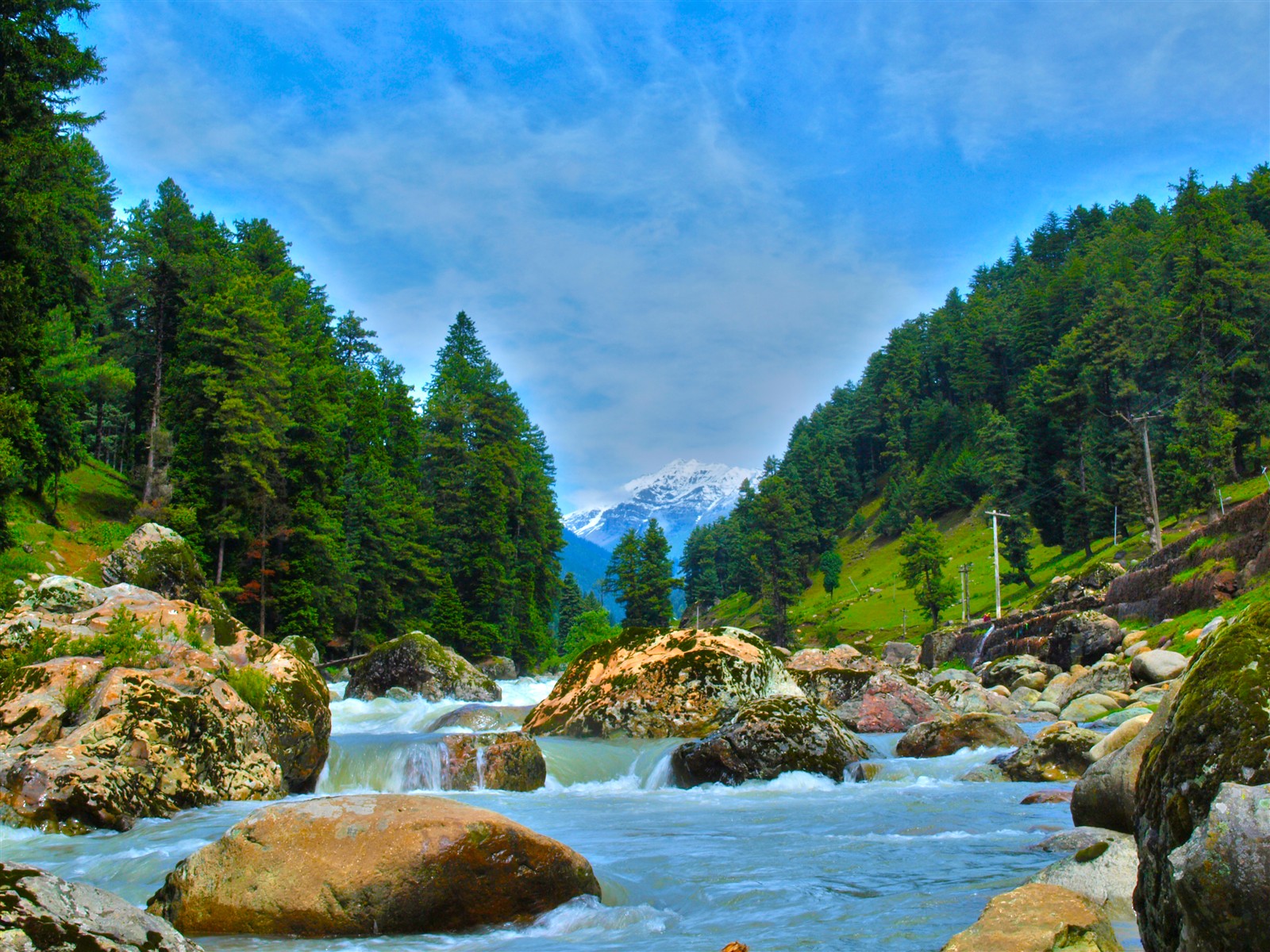
Alt Text: A panoramic view of the Kashmir Valley, showcasing its lush green meadows, towering mountains, and a winding river, symbolizing its natural beauty and serene environment.
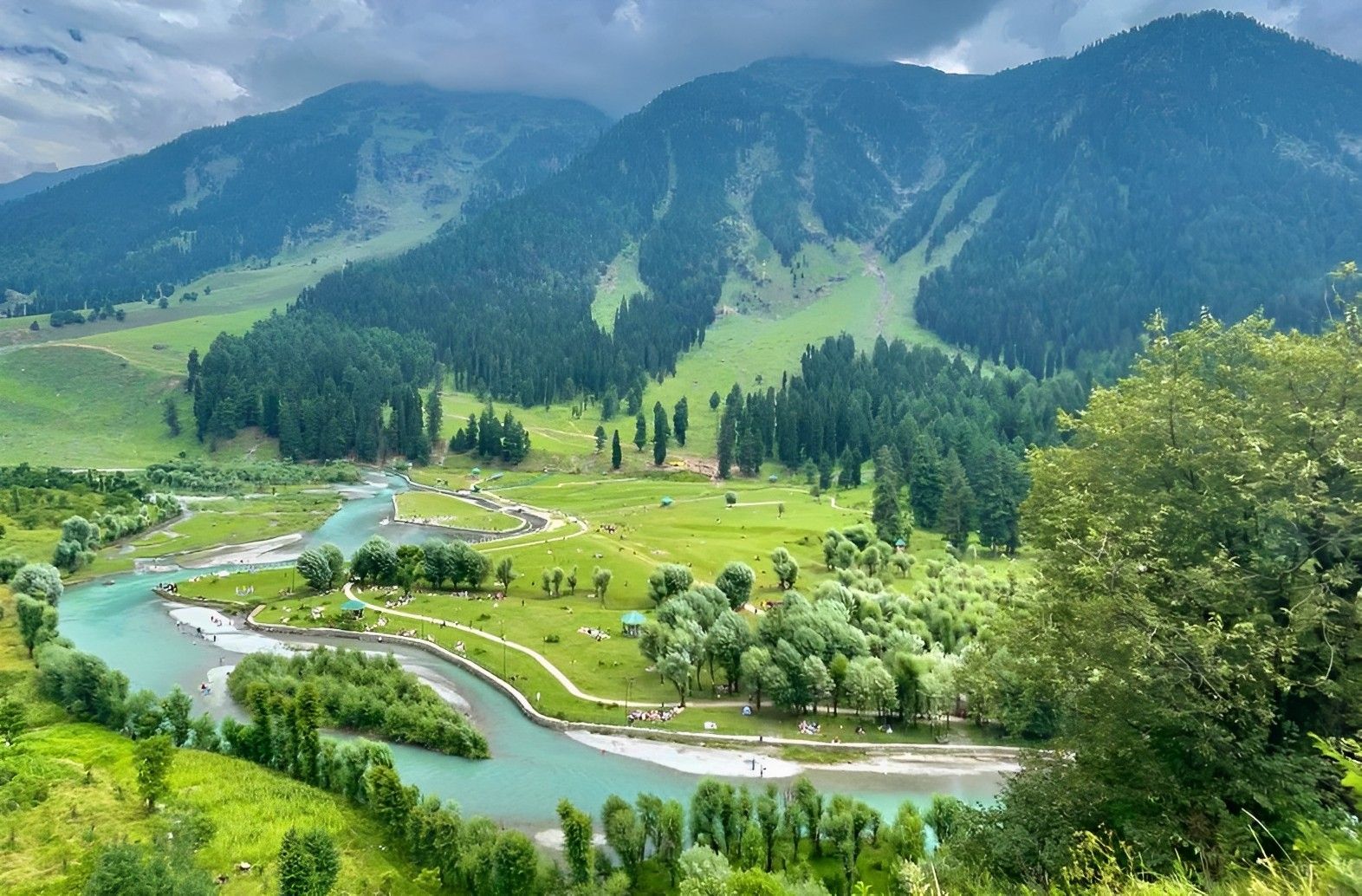
Alt Text: A scenic view of Pahalgam, with a river flowing through a valley surrounded by pine trees and distant mountains, representing the natural beauty of the area where the incident occurred.
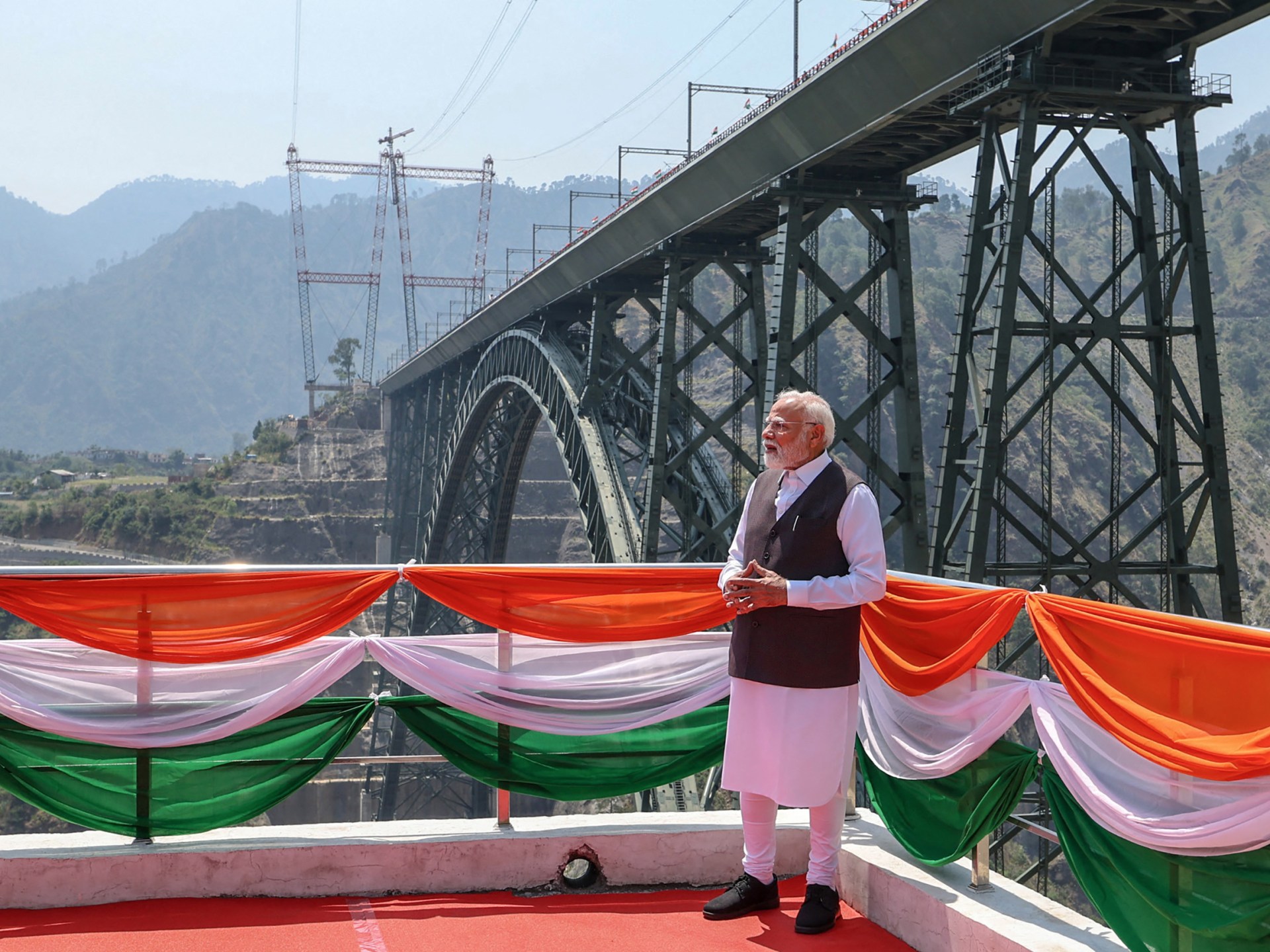
Alt Text: The Vande Bharat Express train traversing a newly constructed bridge in the picturesque Kashmir Valley, symbolizing improved connectivity and modern infrastructure development in the region.
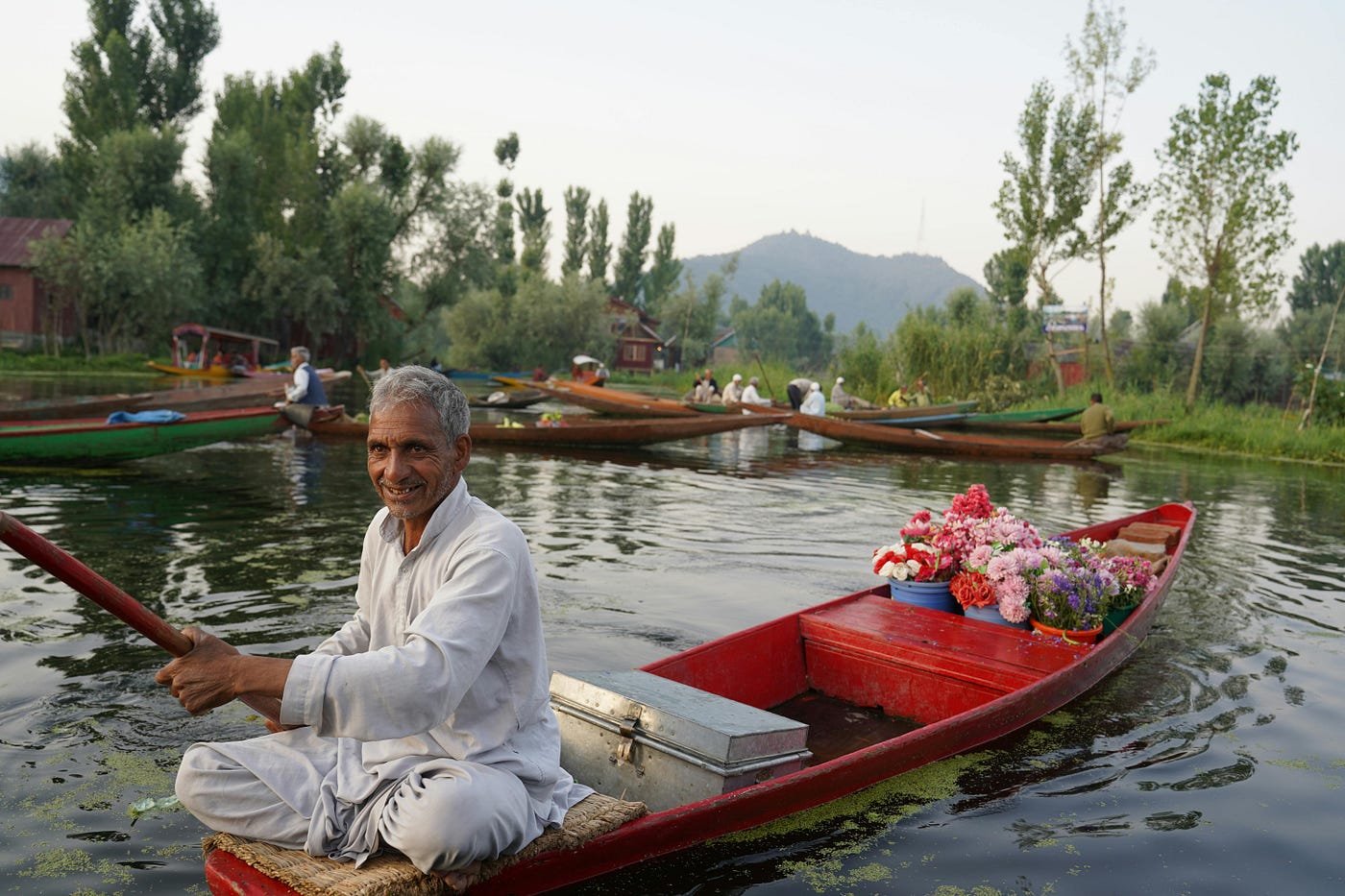
Alt Text: A group of local Kashmiri people, some engaged in traditional crafts and others interacting with visitors, symbolizing the warm hospitality and community efforts in reviving tourism.
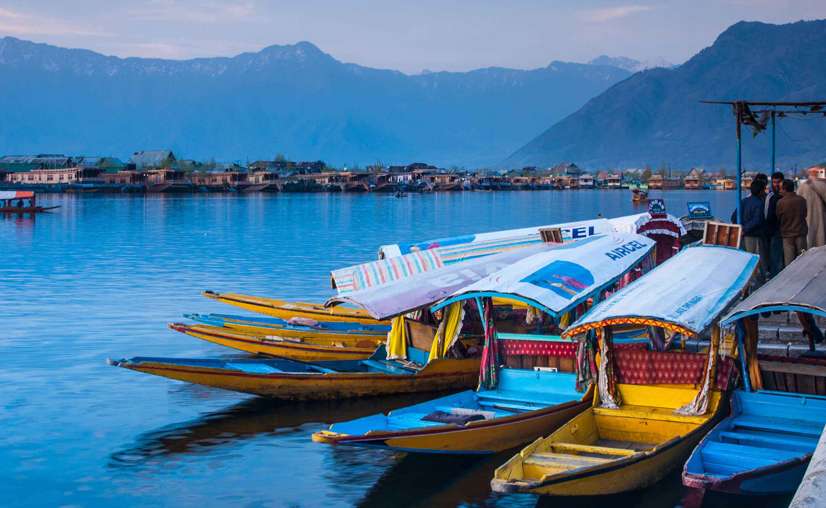
Alt Text: Tourists enjoying a serene Shikara ride on the iconic Dal Lake in Srinagar,