 Live Chat
 Contact
 Shopping Cart
 Irfan Bhat
The Internet and Small Business Introduction
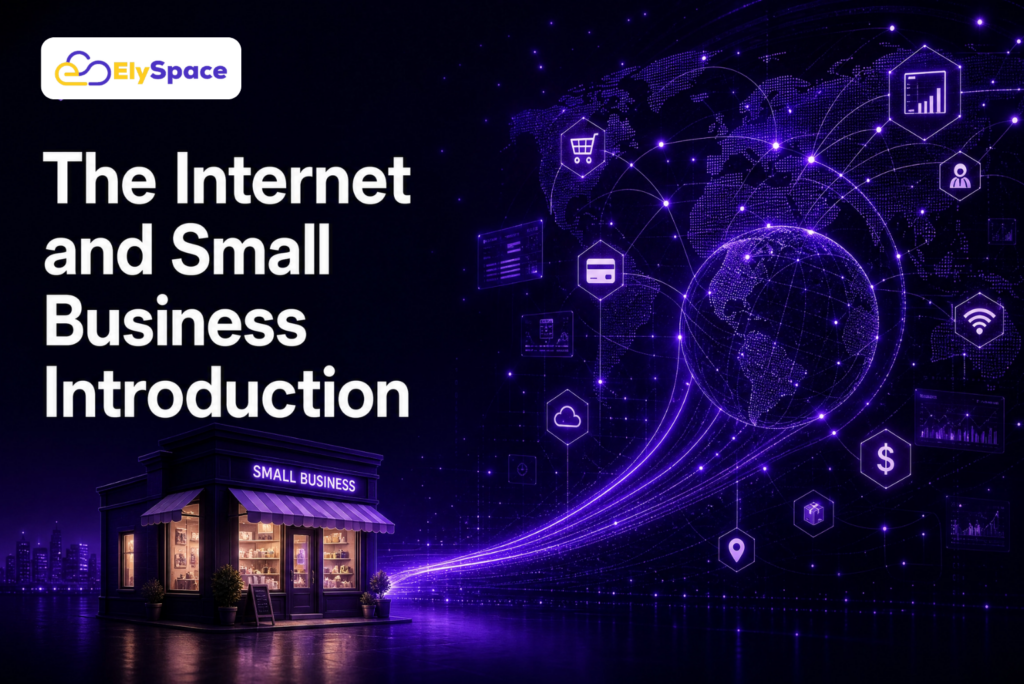
The Internet’s Impact on Small Business Forever is more than just a talking point; it is arguably the single largest shift in the history of commerce. Before the advent of the Internet, small business owners relied primarily on word of mouth, a physical storefront and a relatively small customer base within their local area. Therefore, growth was slow, cumbersome and nearly impossible to scale beyond their immediate area.
Today, an entrepreneur in Srinagar can sell their handmade products from their living room, build a remote team, and reach thousands of customers worldwide – all without leaving their home! Therefore, not only has the Internet allowed small business owners to be scalable, but it has also drastically transformed the way we perceive business growth.
This guide will provide you with an understanding of what the Internet has changed, why this change is important, and how to use the Internet to either start or grow your Internet-based business.
From Local Shops to Global Internet Businesses
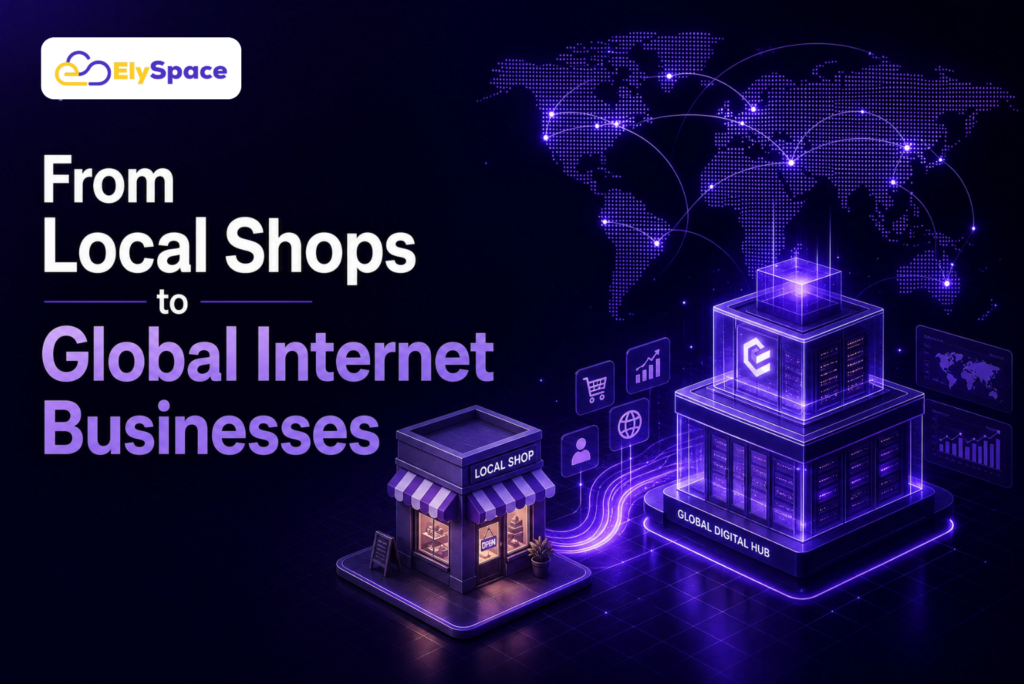
Before the introduction of the Internet, one’s geography dictated one’s destiny when running a small business. A small business was limited to only the customers that they could physically get to, so a prime location, a strong local reputation, and sufficient foot traffic were necessary to operate a viable small business. To grow your business beyond your city’s borders, you needed to establish a second physical location—which was an expensive outlay of capital.
With the advent of the internet, this all changed. Now, a small business can reach customers in every city and nation, at every hour of the day, by operating an internet-based business with a good website. An internet-based business doesn’t close at 9 P.M. An internet-based business doesn’t need to pay high rents for a prime location. An internet-based business is not affected by whether or not it rains on a Saturday afternoon.
According to Statista, global e-commerce revenues exceeded $5.8 trillion by 2023, with much of that growth being attributed to small and medium-sized businesses making their first foray into the online market. As such, the playing field is now equal, and small businesses have become able to compete.
How Small Businesses Found Their Customers Online
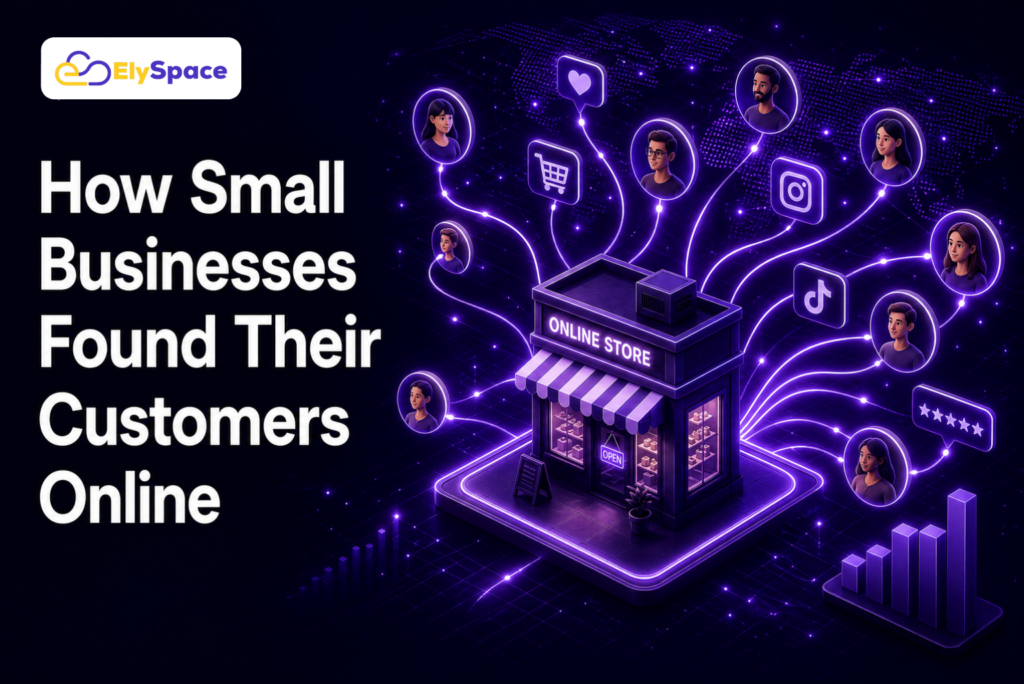
The Internet has changed the way small business owners connect to consumers and consumers connect to small businesses. Before the digital world, getting your business in front of the right consumer required printed advertising (flyers), newspaper advertising, or hoping that someone would simply walk by your retail store.
As a result of the Internet, however, small business owners now have three primary ways of accessing a targeted audience:
1. Access via Search Engines – When someone types “best Kashmiri shawl” into Google, they get instant access to multiple online retailers who sell that product. Search engine optimisation (SEO) is one of the most important skills an online business owner can learn to be discovered through organic search.
2. Access via Social Media – Social media platforms like Instagram, Facebook and YouTube provide a free way for small business owners to showcase their products, tell their story, and create a loyal customer base. A small business with 10,000 highly engaged followers can outcompete large brands that have cold, corporate brands.
3. Access through Email Marketing – Having an email list is one of the most powerful things a small business owner can do because this gives them direct access to their client base. Without the use of social media, no algorithm will hinder a small business owner’s ability to reach their target customers. Small business owners who built their email list early on have a reliable resource for growth.
In addition to this ability for small businesses to get in front of their customers, the ability to utilise the Internet to find their target customers has allowed small businesses to better understand their customers than ever before.
Lower Costs, Bigger Opportunities

The cost of running and starting a small business with traditional means is very high because you have to spend money on rent, employees, inventory, printing and signage, etc. Before making any sales, you are already $10,000+ in the hole. However, the internet has dramatically lowered the costs of starting and running a small business. This table outlines how this has happened.
| Traditional Cost of Starting a Business | Internet Cost of Starting a Business |
| Physical Storefront | E-commerce Website |
| Print Advertising | Advertising through Social Media/SEO |
| Large Amount of Inventory | Drop-shipping/Print-On-Demand |
| Large Number of On-Site Employees | Large Number of Remote Freelancers or Contractors |
| Clients Will Be Local | Clients Could Be Located Anywhere in the World Due to the Internet |
In summary, today’s small business can be started with only a laptop, website and virtual shop and obtain as many customers in their first week as a traditional store would have in an entire year. The most significant change in how small businesses operate is due to the internet, which has reduced the barrier to entry for any idea for individuals who are willing to do the work.
E-Commerce: The Biggest Game-Changer for Small Business Growth
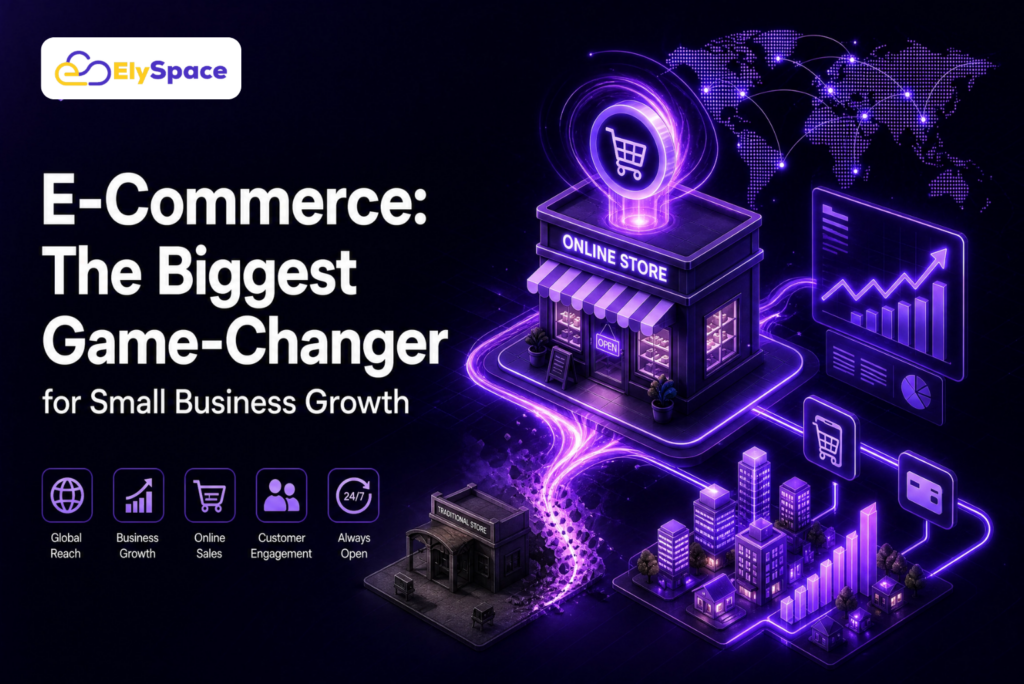
The growth of today’s small businesses has been fueled mainly through e-commerce. Many platforms, especially Shopify, WooCommerce and Amazon, enable practically anyone with a small investment to create a professional online store without using a developer.
Before e-commerce, the only way to sell products was to have a store or try to get shelf space in a large retailer; neither option was very accommodating to small businesses. With e-commerce, small businesses have control over all aspects of pricing, branding, customer experience and fulfilment.
The numbers definitely indicate e-commerce is important for small businesses — Forbes states that small businesses that sell online sell on average 3 times the sales volume that small businesses not sell online do. In addition, e-commerce has opened the door to new business models, such as subscription boxes, digital content, online classes and packages for services that did not exist before the advent of e-commerce.
E-commerce is no longer optional for any Internet business today; it is a requirement of doing business today!
Digital Marketing Changed the Rules of Business Growth
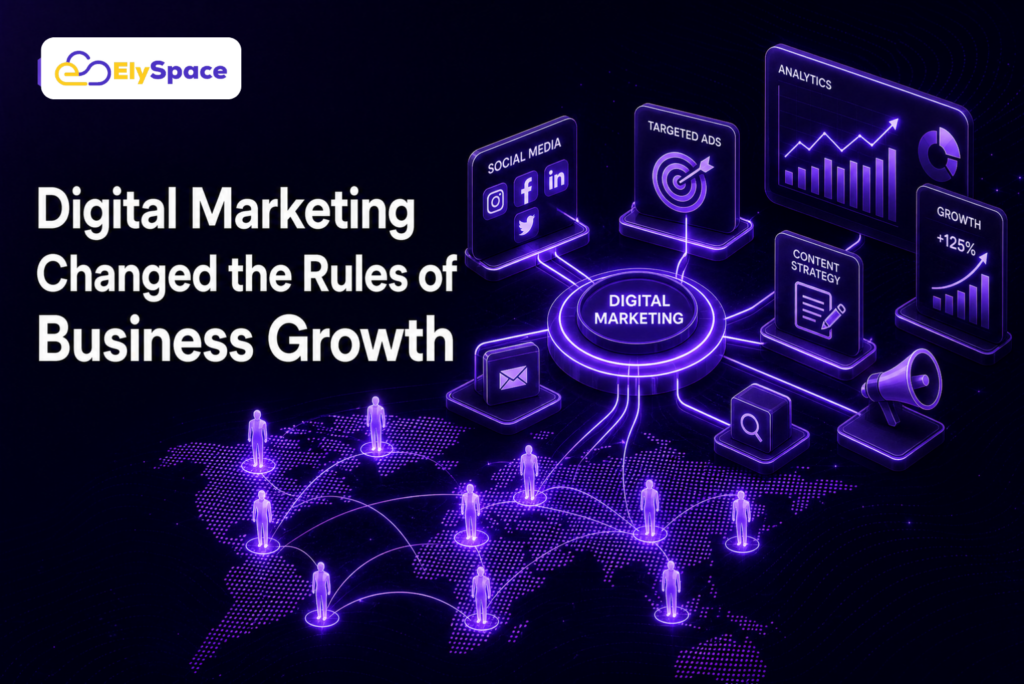
Traditional marketing had high costs, and many small businesses could not afford to run a commercial on television or a full page in the local newspaper. The internet changed everything. With digital marketing, small businesses now have access to tools previously reserved for large companies.
Here are a few examples:
Pay-per-click (PPC) Advertising – This allows small businesses to only pay when someone clicks on their ad. This type of advertising is more affordable and is very measurable.
Content Marketing – By writing helpful blog posts and other guides (such as this one), the business can gain organic traffic from search engines over time through its blog.
Influencer Marketing – Small businesses can partner with “micro” influencers in their industry for a small fraction of the cost of traditional advertising.
Video Marketing – On platforms such as YouTube and Instagram Reels, small businesses can showcase their products/generate trust without spending any money.
Evidence supports this. According to HubSpot, businesses that blog receive 55% more visitors than those that do not blog, so as it relates to a small business with little free cash, content is one of the best long-term investments that a small business can make in their growth.
Remote Work and the Rise of the Internet Business
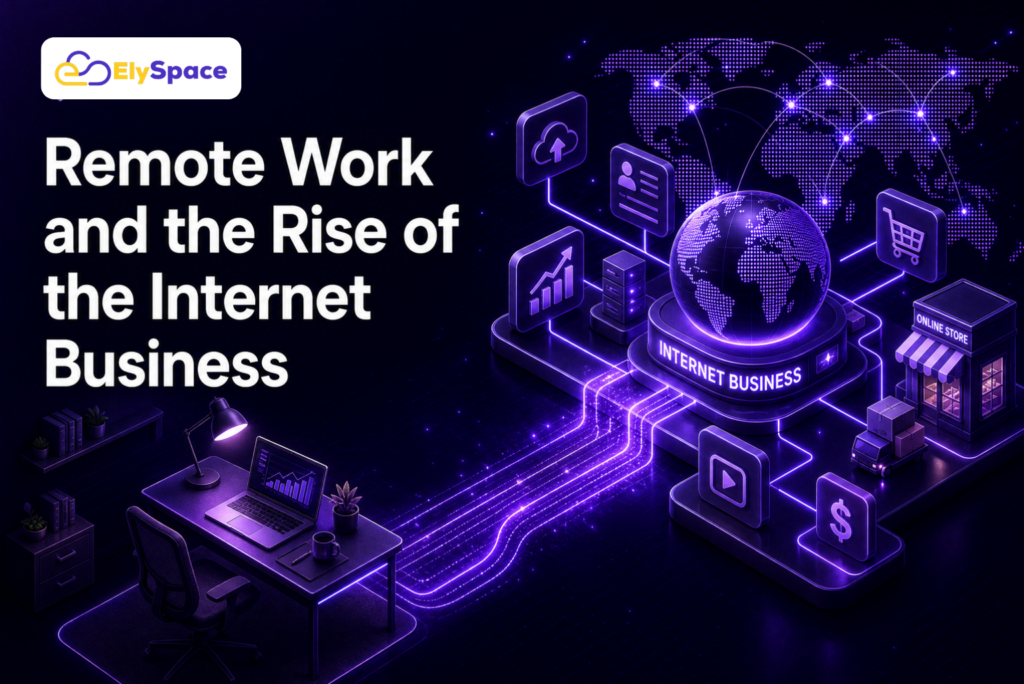
The Internet has transformed both selling and operational methods for Small Businesses across the globe. For example, where remote workers were once considered a fringe benefit of doing business on the Internet, they have now become a viable (and common) means of doing business for small business owners everywhere. An entrepreneur can establish a team of skilled freelancers and employees based anywhere in the world, at no additional cost associated with having a traditional office.
The expansion in hiring outside of your geographical area is of huge significance for Small Business growth. No longer does the Internet Entrepreneur need to only hire locally; they can hire the best copywriter in London, the best graphic designer in Mumbai, or the best Customer Service Representative in Manila — and do it all from their little (or home office-based) office in Kashmir.
Not only does the Internet allow the Small Business to hire from a global pool of workers, but the use of products such as Slack, Zoom, Notion and Google Workspace has made it possible to work seamlessly with other team members who may be located in other parts of the world. This means that traditional cost barriers for Small Businesses to be successful (i.e., high costs for offices that can accommodate team members) have been removed, and Small Businesses have access to an entirely new model of business that can be constructed in a way that is focused on Lean Operations, flexibility, and Scale, all without incurring any increase in cost compared to traditional models.
Challenges Small Businesses Still Face Online
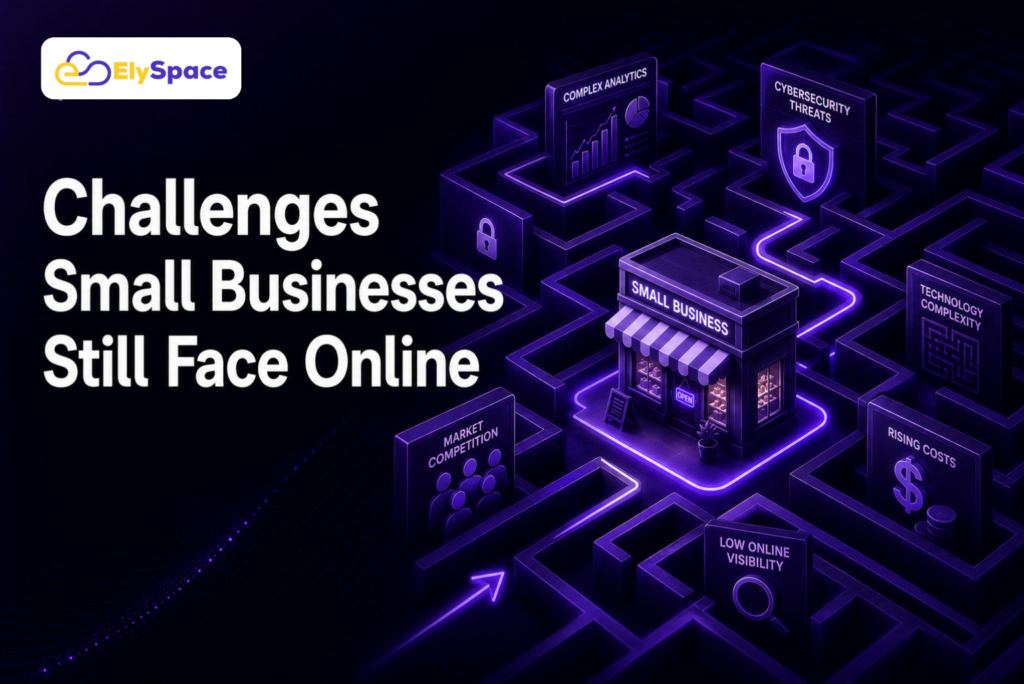
This will not be a truthful guide unless it also discusses the real obstacles to being successful; while the web has opened up doors for several small firms, it has also created increased levels of competition, additional pressure and new skills that need to be developed by owners of small businesses.
Increased Competition – The low barrier to entry means that there are now many alternative companies vying for the same clients (this is true on the Web). Getting noticed takes consistent delivery and effective positioning.
Digital Strategies – Not everyone who owns a small business has grown up with technology, and it is going to require time and energy to learn SEO (search engine optimisation), digital marketing, and eCommerce tools, particularly for those businesses that are transitioning from traditional business models.
Data Protection and Cyber Security – Any company that does business online (no matter the size) must maintain the privacy of its customers’ personal information. The increasingly restrictive regulations that govern the use and application of customer data, such as the General Data Protection Regulation (GDPR) in Europe and the soon-to-be-passed Digital Personal Data Protection Act in India, will require owners of small businesses to be aware of the compliance obligations created by these regulations.
Algorithm Dependency – Owners of small businesses who have based their entire growth strategy around a specific value-added digital channel (most of which are based on a mainstream social media platform) have learned through difficult experiences that they require a broad array of digital channels to develop sustainable business growth.
Understanding these challenges in an honest manner is the key factor in the ability of small businesses to have a successful online presence, versus the inability of other small businesses to be present on the web.
What This Means for Small Businesses in Kashmir
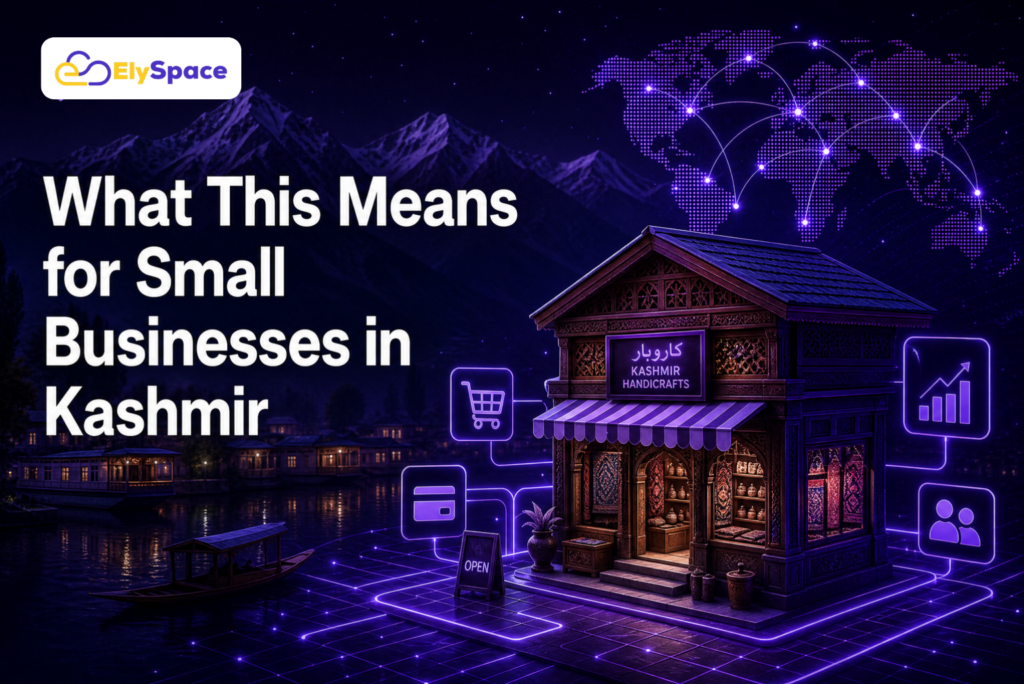
There is a long tradition of craftsmanship and hospitality in Kashmir, as well as an entrepreneurial spirit. Kashmiri products like Pashmina shawls, hand-knotted carpets, walnut wood carved products, saffron, and dried fruit have a world-class reputation and global demand. The internet now allows small Kashmiri businesses to sell directly to their target customers in Europe, the United States and the Gulf region, no longer requiring the use of middlemen.
Kashmiri artisans and businesses have already started using online platforms such as Amazon, Etsy and their own e-commerce websites to connect with potential customers from all around the world. By utilising the power of digital marketing, the correct strategy and a compelling presentation can ensure a small business based in Srinagar has a chance to reach thousands of ideal customers every day.
Ely Space works with small businesses throughout Kashmir to help develop their online presence, optimise their search ranking, and build online business strategies that deliver measurable results for growth. If you are ready to move your small business into the digital world, please contact us so we may show you the possibilities.
Visit Google’s Digital Garage, free of charge, to access resources designed to help you learn about digital marketing and grow your small business online.
Final Thoughts — Your Next Step

The impact that the Internet has made on small businesses is due to “Access”. Access to customers, Access to markets, Access to tools, and Access to knowledge, which were previously available only to large businesses with large budgets.
Winning on the World Wide Web for small to medium businesses doesn’t always rely on having the most money to spend, BUT having show up to market consistently, knowing your audience, creating valuable content and developing trust with them over time are ALL factors that determine success in today’s marketplace. The opportunities for growth through the World Wide Web for any small/medium business are available to ALL, and those who have the willingness to learn and work hard will reap the rewards.
If you found this guide helpful, please take a look at other resources offered by Ely Space to help small businesses throughout Kashmir build smart and sustainable businesses through Internet technologies.