 Live Chat
 Contact
 Shopping Cart
 Mehran Majeed
A carpet exporter and a homestay owner in the same part of Srinagar will both tell you they need “to be online.” What that actually means for each of them is almost entirely different. The carpet exporter needs a catalogue that shows texture and craftsmanship clearly enough for someone to trust a purchase they can’t touch. The homestay owner needs a booking calendar, real guest photos, and fast responses during exactly the weeks tourists are deciding where to stay. Treating both as the same problem, “get online,” misses what actually moves each of them forward.
That’s the piece missing from a lot of general advice aimed at Kashmir businesses. Going digital isn’t one project with one checklist. It looks different depending on whether you’re selling a physical product, a service, an experience, or a mix of all three. The businesses that get real value out of their online efforts tend to be the ones that recognise which category they actually fall into first.
This guide looks at what going online actually means across a few of the industries most common among Kashmir businesses: tourism and hospitality, handicrafts and retail, and local services. The goal is simple: focus on what genuinely applies to your business instead of working through a generic list built for everyone and, ultimately, no one in particular.
Why “Going Online” Means Different Things for Different Businesses
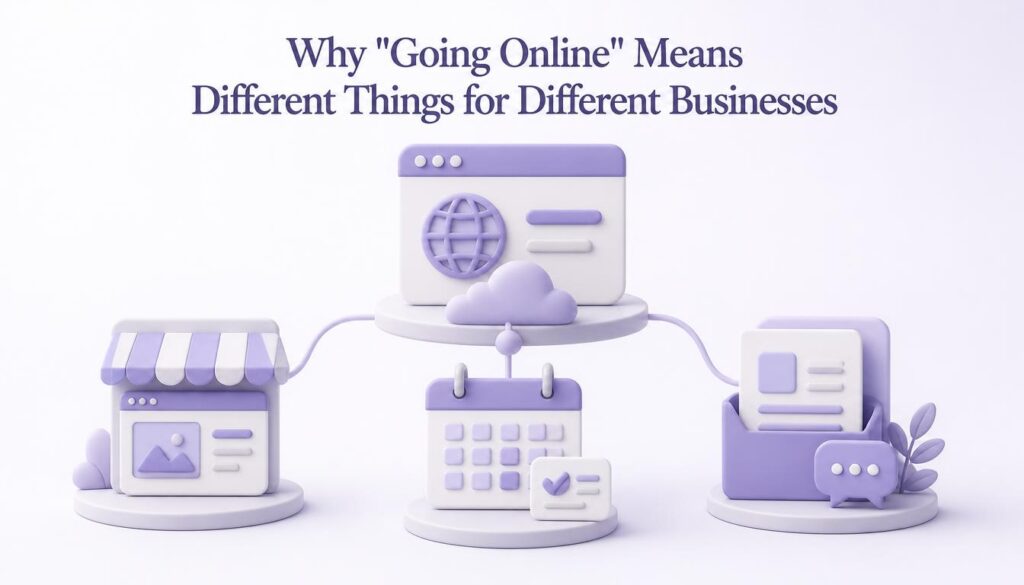
Short answer, if you’re pressed for time: Kashmir businesses generally fall into three broad digital needs: showcasing a physical product convincingly enough to sell remotely, managing bookings and availability for a time-based service, or building local visibility for a business people mostly find and visit nearby.
Most of what actually matters starts with figuring out which of these best describes your business.
A shop selling handmade shawls needs different tools than a tour operator managing seasonal bookings, and both need something different again from a tailor or electrician whose customers are almost entirely local. None of this is a hard rule. Plenty of businesses blend categories. But starting from the wrong assumption, treating a service business like a product catalogue, for instance, can mean spending time and money on features that were never going to matter much.
If you’re still figuring out the basics of building a professional online presence for Kashmir businesses, it’s worth starting there before deciding which tools your particular business needs.
Tourism and Hospitality: Building Trust Online
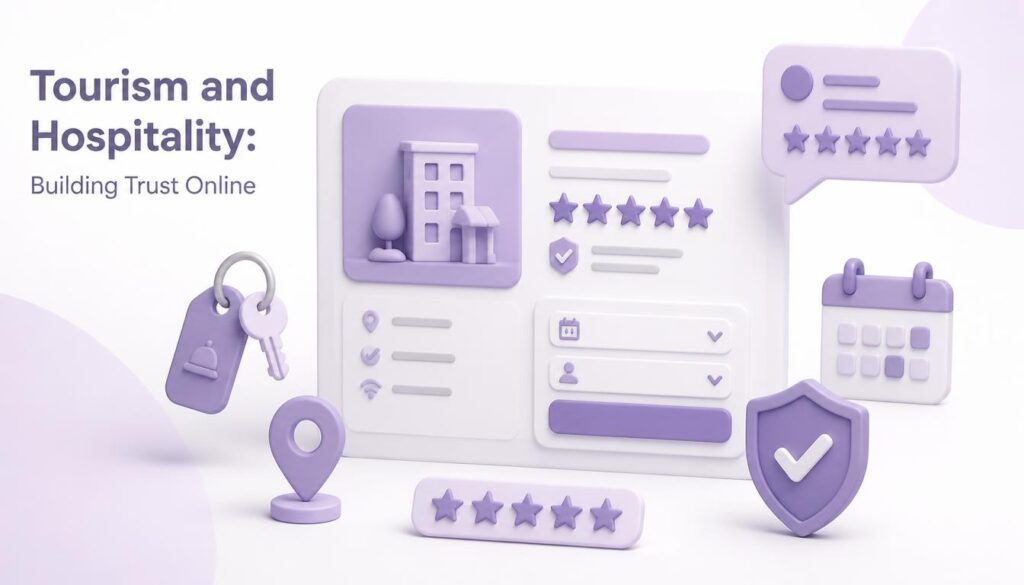
For homestays, tour operators, and travel agencies, the core challenge is convincing someone to commit money and travel plans to a business they’ve never physically seen. That makes trust signals particularly important in this sector.
Real, recent photos matter enormously here. Not polished stock imagery, but honest shots of the actual property, the actual view, and the actual experience. Guest reviews carry similar weight, since a prospective visitor comparing three operators is essentially trying to work out which one is least likely to disappoint them.
A Kashmir tourism business also has to think about seasonal spikes. Most bookings tend to cluster into a few busy months rather than spreading evenly throughout the year. A website or booking system that becomes difficult to use during exactly those weeks can mean missed enquiries and lost bookings.
Payment convenience matters too. India’s shift toward instant digital payments, and NPCI’s UPI system specifically, has made it much easier for customers to pay a deposit or booking amount without relying on bank transfers or cash arrangements. For tourism businesses, making payment straightforward should be part of the booking process rather than something added at the end.
Response speed matters here as well. A tourist comparing three or four homestays or operators may be making a decision within a day, sometimes within hours. A business that responds quickly to an enquiry can have an advantage over one that takes a day to reply, even when the two businesses offer similar things.
Handicrafts and Retail: Selling Something People Can’t Touch
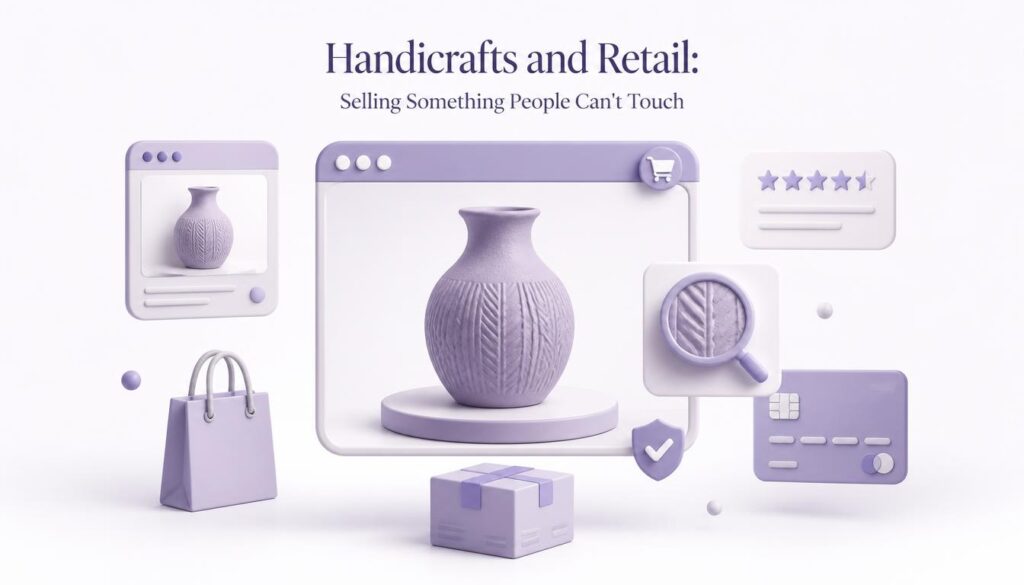
A shawl seller, a woodcarving artisan, or a papier-mâché workshop faces a specific challenge online: part of the product’s value is tactile. Texture, weight, finishing, and craftsmanship don’t automatically come across in a photo on a screen.
The businesses that do this well tend to invest in photography and honest product descriptions rather than simply trying to build the biggest catalogue possible. A handful of products shown clearly, with close-up detail shots and a straightforward description of the materials and process, can do more than a large catalogue where every product has two lines of generic text.
Video can help enormously here too. A short clip of a shawl being woven or a design being hand-painted can give a potential buyer a much better sense of the work behind the product. It also helps establish authenticity in a way that a long paragraph about craftsmanship often can’t.
For this category specifically, a Kashmir business selling online needs to think carefully about shipping details and return policies. Someone buying a product they can’t inspect in person wants to know what happens if it arrives and isn’t quite what they expected.
It’s also worth being realistic about what online selling changes and what it doesn’t. A well-photographed product still needs to actually be well-made, and no amount of styling can fix a product that doesn’t hold up once it arrives. Good photography and honest descriptions simply remove some of the doubt that might otherwise stop a customer from buying something they genuinely would have liked in person.
Local Services: Visibility Over Showcasing
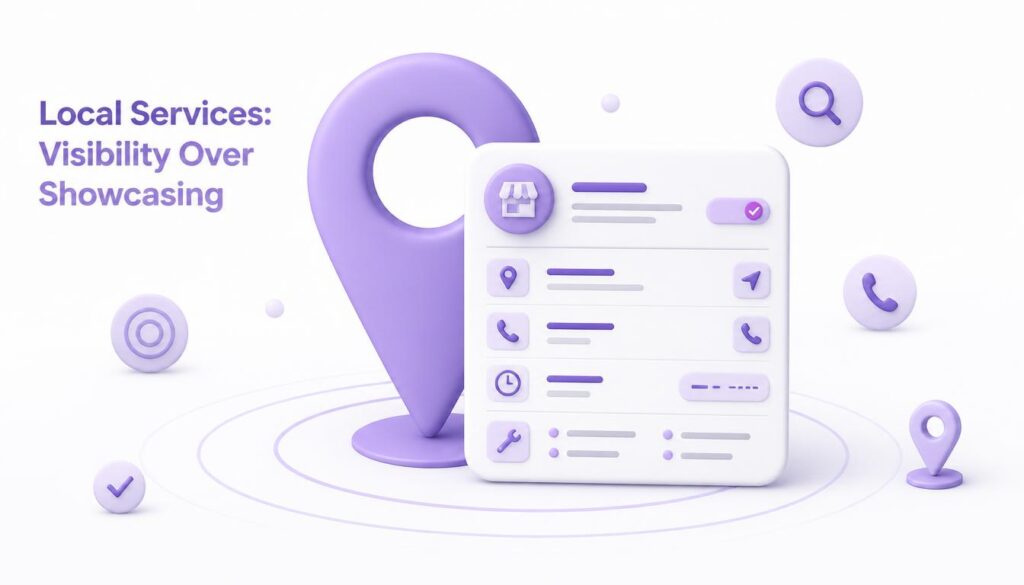
Tailors, electricians, tutors, clinics, and similar service businesses face a different challenge entirely. Customers aren’t browsing for inspiration the way a tourist or a shawl buyer might. They’re usually searching because they have a specific need: “AC repair near me,” “tailor in Baramulla,” or something similar.
For this group, an accurate, well-maintained Google Business Profile can matter more than investing heavily in an elaborate website. Fast, reliable communication also matters. If someone sends a WhatsApp message asking about availability or pricing, actually getting back to them promptly can make a bigger difference than having a beautifully designed homepage.
The showcasing that helps tourism and retail businesses simply isn’t the deciding factor here. Being found easily, having the right information available, and responding reliably are often more important.
If you’re building out this side of your presence specifically, our guide on building a professional online presence for Kashmir businesses covers the credibility and consistency fundamentals that apply across all three categories in more depth.
What All Three Categories Actually Have in Common
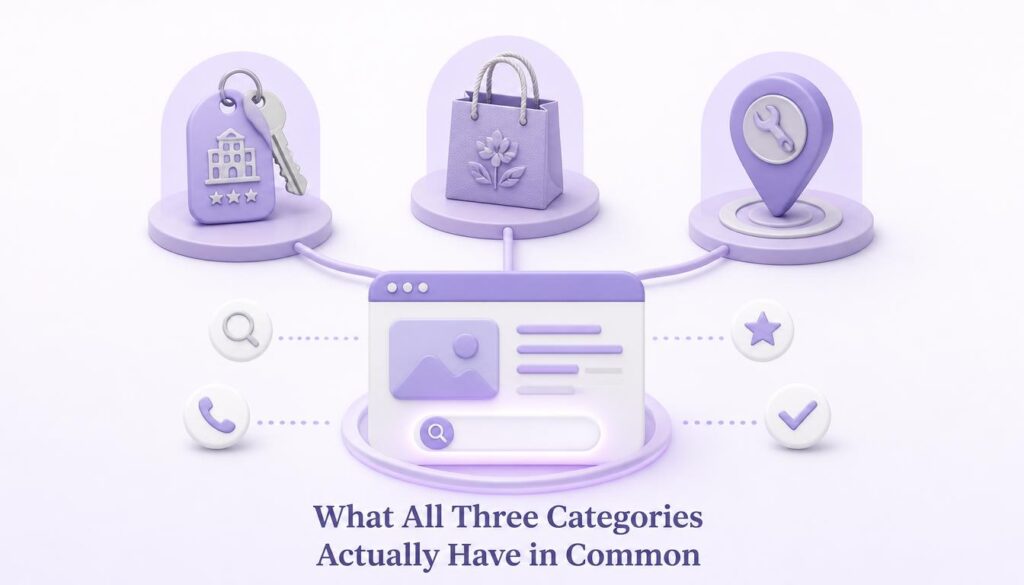
Despite the differences, a few things matter regardless of which category a business falls into.
Consistency across platforms still matters. The same phone number, business name, location, and opening hours should appear wherever a customer might look. A site that loads quickly on mobile matters whether someone’s browsing shawls, checking availability, or looking up a repair service. And genuine reviews, whatever form they take for your specific business, can do more for trust than a page full of self-written promotional copy.
The mistake to avoid is assuming a one-size-fits-all approach, borrowed from a generic guide or a competitor in a completely different industry, will automatically work for your business.
What Kashmir businesses actually need online varies enough by sector that it’s worth pausing to identify your own category before investing time or money into a particular direction.
Frequently Asked Questions
Do all Kashmir businesses need the same kind of website?
No. A tourism business needs strong visual trust signals and booking functionality, a retail or handicraft business needs detailed product presentation, and a local service business may benefit more from a strong Google listing and easy communication than from an elaborate website.
Which industry benefits most from social media in Kashmir?
Visually driven businesses, including tourism, handicrafts, and food, tend to get more direct value from platforms like Instagram because the product or experience photographs well. Local service businesses may get more practical value from WhatsApp Business and a well-maintained Google listing.
Is it worth building an online store for a Kashmir handicraft business?
Often, yes, provided the photography and product descriptions are strong enough to replace some of the experience a buyer would normally have in person. Without that investment, an online store can struggle regardless of how good the actual product is.
How important are online payments for a Kashmir business specifically?
They’re increasingly important across different types of businesses. Digital payment habits, particularly UPI, have become a normal expectation for many customers rather than an unusual convenience. A tourism business collecting deposits or a retail business handling checkout can both benefit from making payment as straightforward as possible.
Should a local service business in Kashmir bother with a website at all?
It can help, particularly for credibility and providing basic information, but it’s not always the first thing to prioritise. An accurate Google Business Profile, clear contact details, and fast, reliable communication may be more useful starting points for many local service businesses. A simple website alongside those basics can then add another layer of credibility.
Conclusion
Kashmir businesses aren’t one homogenous group with one shared digital checklist, and treating them that way is where a lot of generic advice falls short.
A tourism business, a handicraft seller, and a local service provider are each solving a different version of the same underlying problem: being found, trusted, and chosen by the right customer at the right moment. But the specific tools and priorities that get them there genuinely differ.
If you’ve been following generic advice that hasn’t quite fit your business, it’s worth stepping back and asking which of these categories actually describes what you do. From there, you can build your online priorities around what your customers actually need, rather than what happens to be popular in a generic digital-marketing checklist.