 Live Chat
 Contact
 Shopping Cart
 Ely Space
Introduction
Hello there! Have you ever thought about starting your own freelance business? Well, you’re in luck! We’re here to guide you through it. Freelancing means working for yourself and doing what you love. And the best part? You don’t need loads of money to get going. Nope, not a single paisa! In this guide, we’ll share some awesome strategies to help you kickstart your freelance journey. So, if you’re ready to turn your skills into a successful business without breaking the bank, keep reading! Let’s dive into the exciting world of freelancing together!
Start your freelance business with your skills
The first thing you need to think about is what you’re good at doing. That’s your skill. And guess what? You can use that skill to make money as a freelancer. Sounds good, right? Even if you’re not sure what your skill is yet, don’t worry. You probably have something you’re good at without even realizing it! And here’s some good news: You can learn new skills for free. Yes, no money is needed!
Now, let me share with you a list of eight skills you might like to learn (and where you can learn them for free). These skills can help you start your freelancing journey and make some money.
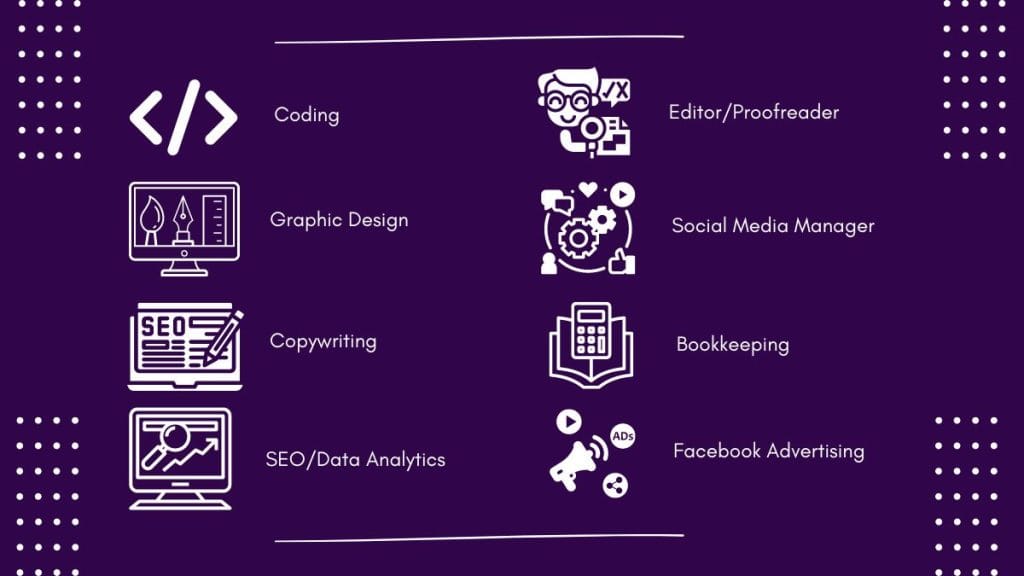
- Coding: Learn for free at www.codeacademy.com
- Graphic Design: You don’t need to be an expert in design. Check out Canva.com to get started.
- Copywriting: Learn for free at www.copyblogger.com
- SEO/Data Analytics: Learn how to use Google Analytics for free at https://analytics.google.com/analytics/academy/
- Editor/Proofreader: Brush up your skills for free at http://www.bartleby.com/141/
- Social Media Manager: Sign up for a free trial at Lynda.com and take this course: https://www.lynda.com/learning-paths/Marketing/become-a-social-media-marketer
- Bookkeeping: You don’t need to be an accountant. Learn Quickbooks for free at https://quickbooks.intuit.com/accountants/proadvisor/ or become a Xero Certified Advisor for free at https://help.xero.com/us/XeroTest
- Facebook Advertising: Learn for free at https://www.facebook.com/blueprint
And keep in mind, this list is just a tiny piece of what’s possible out there. There are so many more skills you can learn! But here’s the thing: companies are willing to pay good money for all of these skills. So, if you’re not sure where to begin, one of these could be a great starting point for you.
How to Attract Your Ideal Clients Using Client Attraction
When I started freelancing, I believed having a fancy website and stylish business cards was essential for success. But guess what? They’re not as crucial as you might imagine. Surprisingly, I found I earned more money after leaving them
So how do I start then?
Freelance website
Okay, I get it. You’ve probably heard that freelance websites are not so good, and new freelancers should avoid them. But, even though some people don’t like them, I found it’s actually not too difficult to get work on them if you know what you’re doing. For example, I got my first client at $45 per hour, even though I had no experience in copywriting.
So, it sounds good, right? You might be wondering, How did I manage to do this?
within three, start Your Freelance Business with Successful Strategies
#1. positioning
Some people call it finding your niche, while others call it your target market. But whatever you want to call it, it’s a powerful tool that can help you stand out from the crowd and beat most of your competition.
Why? Most of the time, clients prefer to work with specialists who understand their industry well, rather than someone who knows a little about everything.
Think about it this way: If you own a gym and need someone to run Facebook ads for you, would you hire a “Facebook ads specialist” or a “Facebook ads specialist for the fitness industry”? I’d go with the second option, wouldn’t you?
After working with lots of clients, I’ve found that most of them agree with this too.
So, that’s the idea of finding your niche. Now, let me share how you can find your own.
There are many ways to do this, so feel free to be as creative as you want. But I’ve found success with two types of niches:
1. industry-specific
Creating an industry-specific niche is simply about combining your freelance skills with a particular industry you know well.
For instance, my first niche was as a copywriter specializing in tax, working with CPA firms because I had a Master’s in Accounting.
Did this narrow focus limit my options? Yes, but it also helped me win 80% or more of the jobs I applied for. This allowed me to build my foundation really quickly, even though I had no prior experience in copywriting.
Now, let’s talk about option 2:
2. software-specific
Just like you can carve out a niche targeting a specific industry, you can also specialize in serving clients who use particular software tools.
For instance, you could become known as:
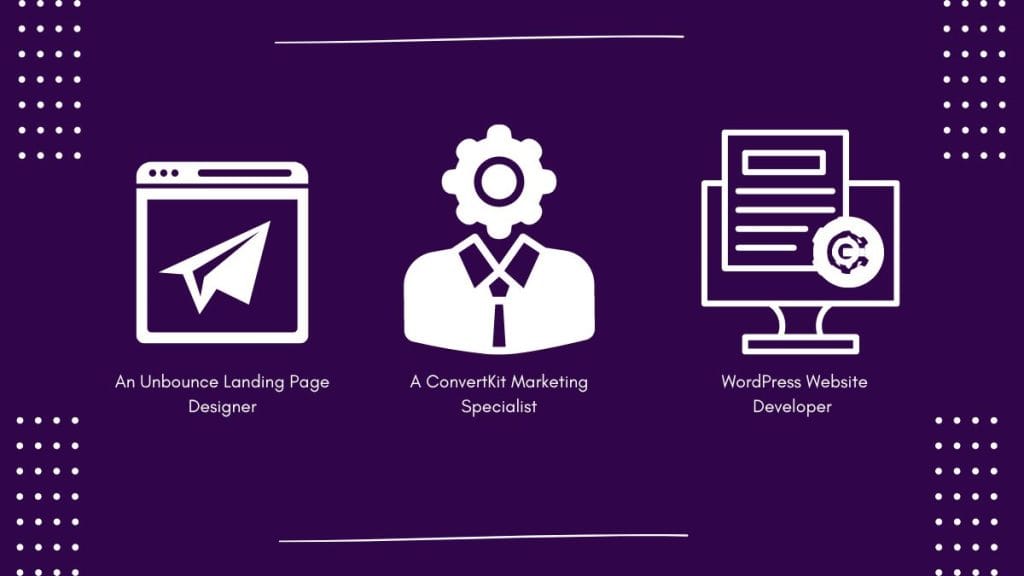
- An Unbounce Landing Page Designer: This means you’re an expert in creating landing pages specifically using the Unbounce platform.
- A ConvertKit Marketing Specialist: Here, you focus on helping clients with their email marketing campaigns using the ConvertKit platform.
- Or a WordPress Website Developer: This entails specializing in building and maintaining websites using the WordPress platform.
By narrowing your focus to these specific software tools, you automatically set yourself apart from the generalists who offer a wide range of services. This specialization makes it easier for potential clients to understand what you offer and increases the likelihood of them choosing you for their projects.
#2. Create a Profile That Engages Your Clients
Now, let’s make a profile that engages the eye of your potential clients and shows them exactly how you can help.
Here’s how to do it:

- Showcase Your Skills: First off, let’s talk about what you’re good at. Tell your clients about your skills in simple words and give examples to show what you can do.
- Explain Your Benefits: Next, let’s talk about what you can do for your clients. How can you make their work easier? What problems can you solve for them? Tell them all about it!
- Share Your Experience: If you’ve done similar work before or achieved something great, let your clients know. It could be projects you’ve worked on, happy clients you’ve helped, or any special training you’ve had.
- Think About Your Clients: Remember, your profile is all about your clients, not about you. So, use words and examples that speak directly to them and their needs.
By making a profile that focuses on your clients, you’ll help them see why you’re the perfect choice for their projects.
#3. Create a minimum-viable product
When I first started as a Freelance Copywriter, I was completely new to the game and didn’t have any previous work to show potential clients. It worried me because I knew having a portfolio was important in this field. Despite this, I decided to start applying for jobs anyway.
Then came a moment that really put me on the spot. A client responded positively to my proposal but asked if I had any examples of my work to share. I was stumped initially, considering I had nothing to show. However, instead of giving up, I took a moment to think things through.
I realized that a portfolio doesn’t necessarily have to consist of work done for paying clients. All the client wanted was to see if I had the skills to handle the job they were offering. That’s when I got an idea.
I quickly crafted a 600-word article and uploaded it to a Google Doc. It wasn’t anything fancy, but it showcased my writing abilities. I sent it over to the client, hoping for the best.
To my surprise, the client was impressed and offered me the job just 30 minutes later. This experience taught me a valuable lesson: having a relevant portfolio matters more than having an extensive one. Clients just want reassurance that you can deliver what they need.
So, if you’re just starting out and feeling discouraged because you lack a polished portfolio, don’t worry. Focus on creating examples that demonstrate your skills and fit the needs of your target clients. With the right approach, you can land jobs even without a fancy portfolio.
Putting this all together
Here’s a quick and easy way to start making money as a freelancer without spending anything:
- Learn a skill that can make you money. You can find lots of free resources online, including the guide I mentioned earlier.
- Make a simple portfolio. It doesn’t have to be fancy, just show what you can do in your area of expertise. For example, if you’re good at making websites with WordPress, show some examples of that.
- Use websites where you can find freelance work. I suggest starting with Upwork.com because there are many job opportunities there, and you don’t have to pay anything upfront. They only take a small percentage of what you earn when you complete a job.
- Once you start getting regular work, you can gradually increase your rates. Clients are usually willing to pay more once they see you have experience.
- That’s it! Follow these steps, and you can start your freelance business without any money and make a good income.
Conclusion

In conclusion, starting a freelance business doesn’t have to be daunting, especially when armed with successful strategies. By learning a profitable skill, crafting a relevant portfolio, utilizing freelance platforms like Upwork, gradually raising rates, and delivering quality work, anyone can embark on a lucrative freelance journey. With dedication and persistence, turning passion into profit becomes not only feasible but also immensely rewarding. So, take the plunge, follow these steps, and watch your freelance business thrive.